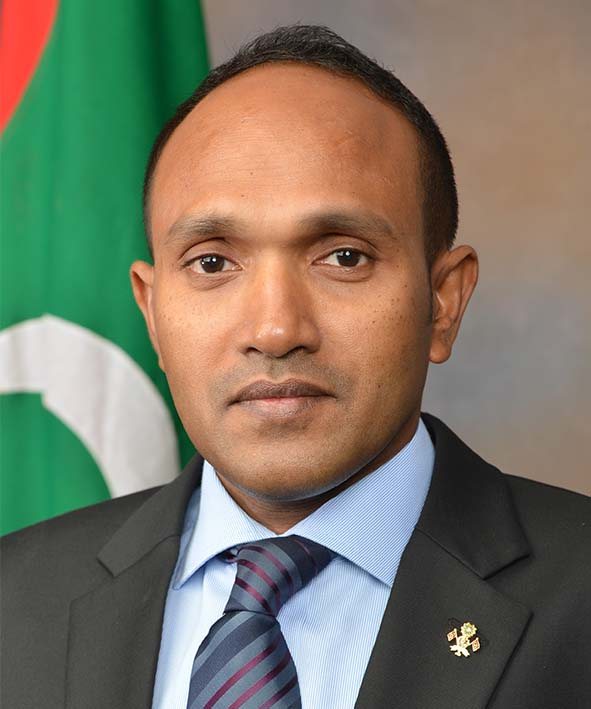
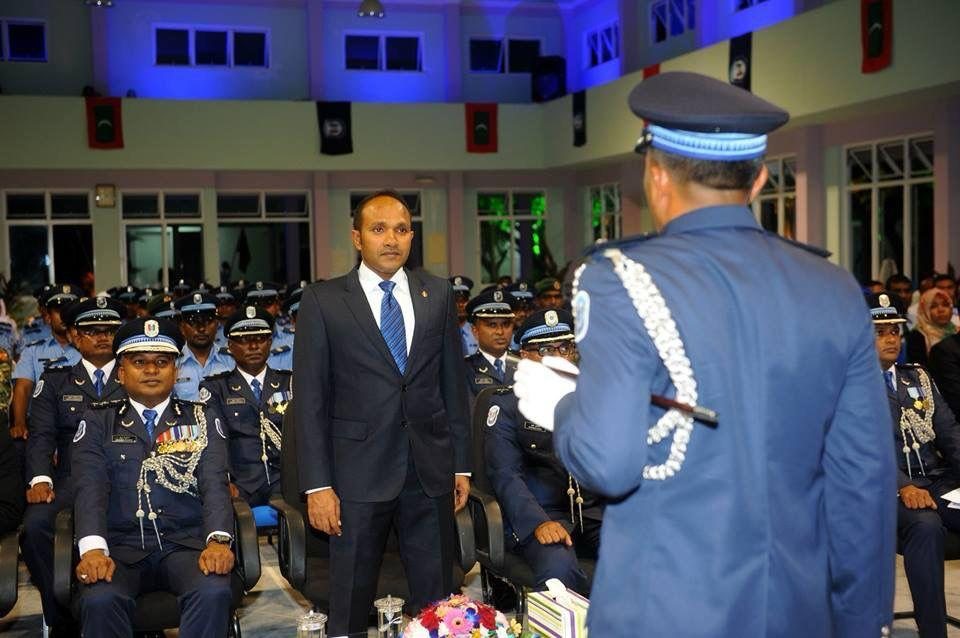
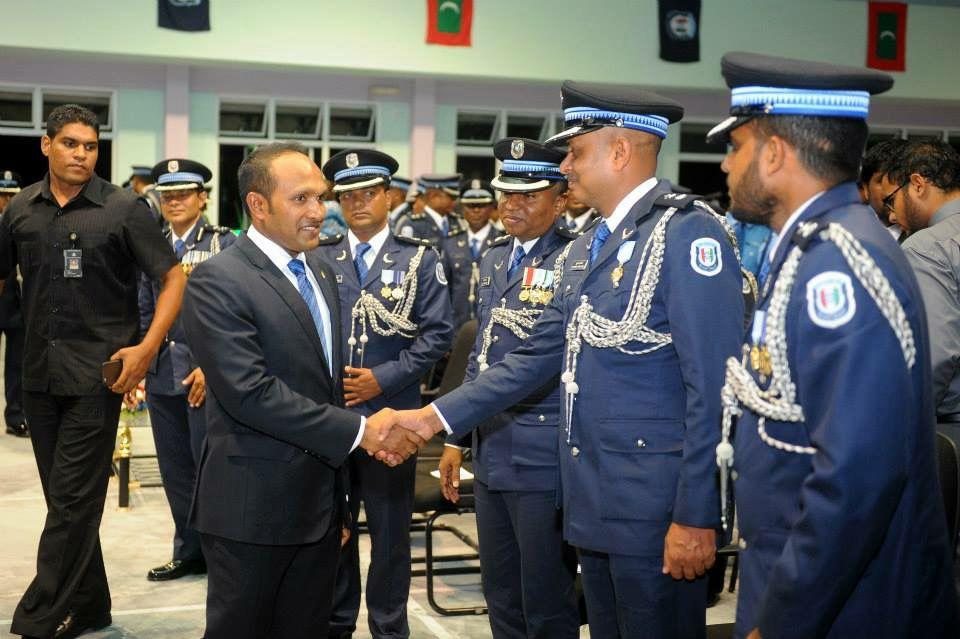
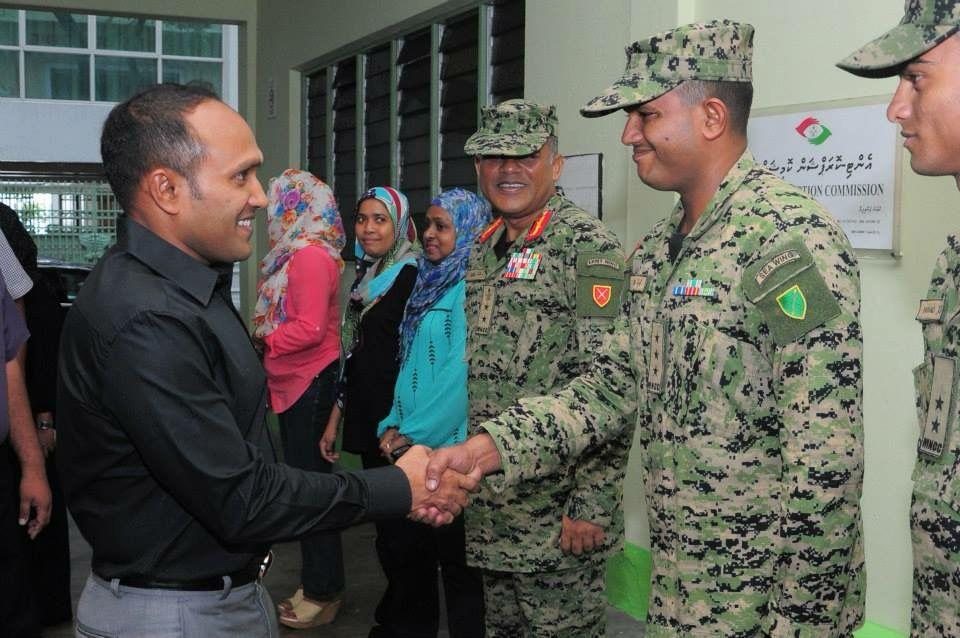
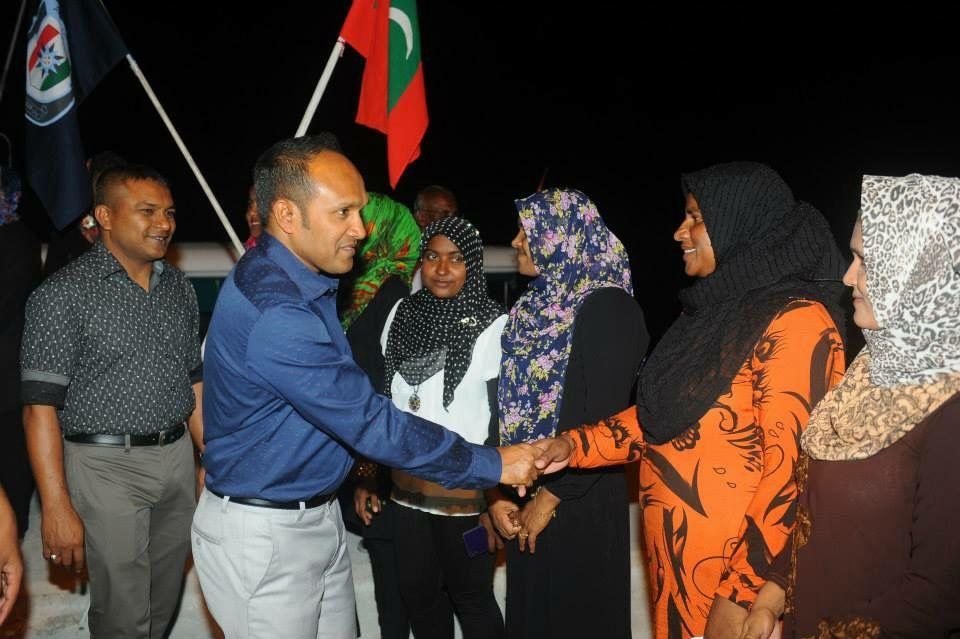
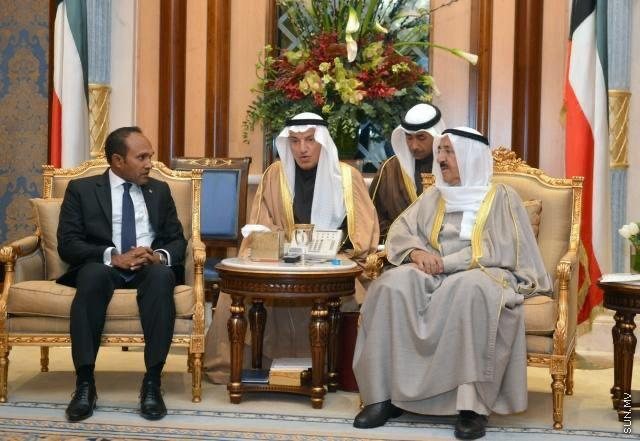
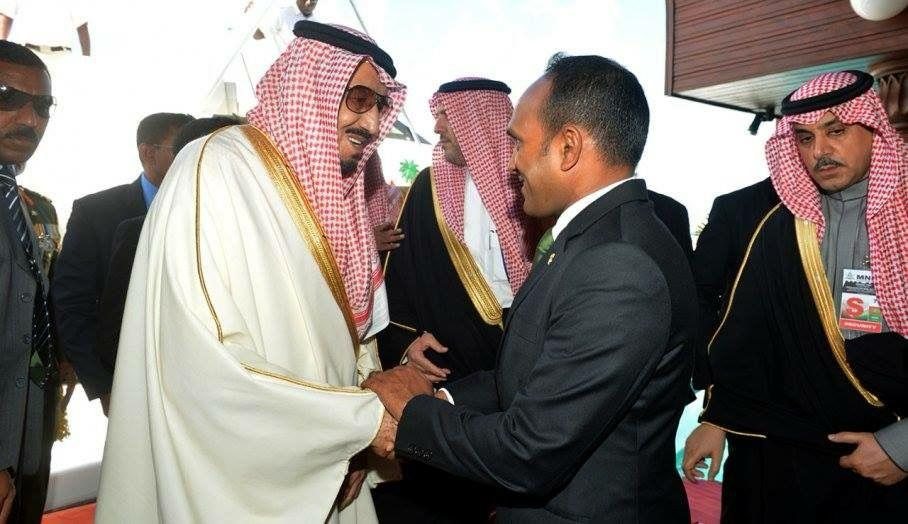
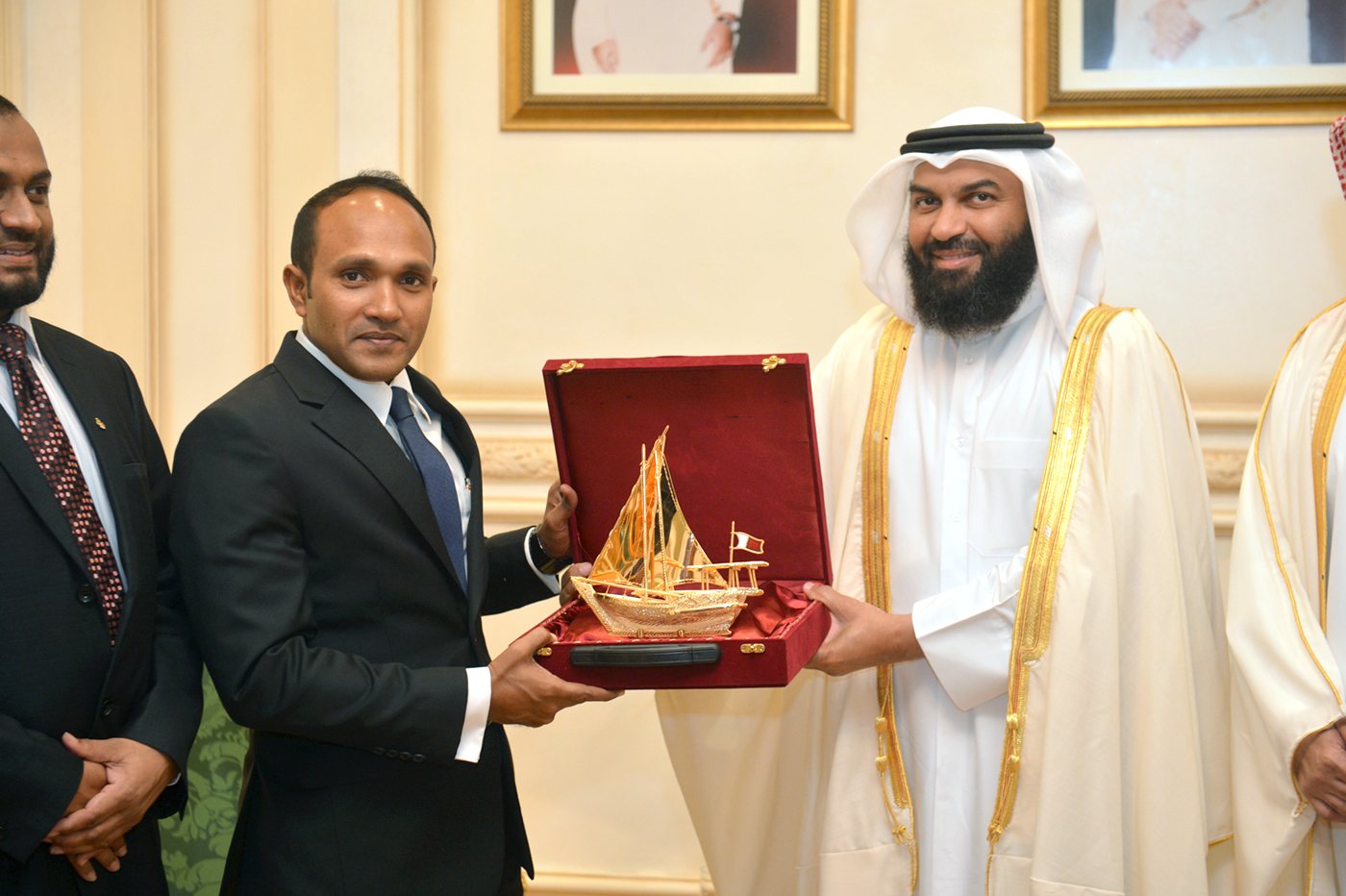
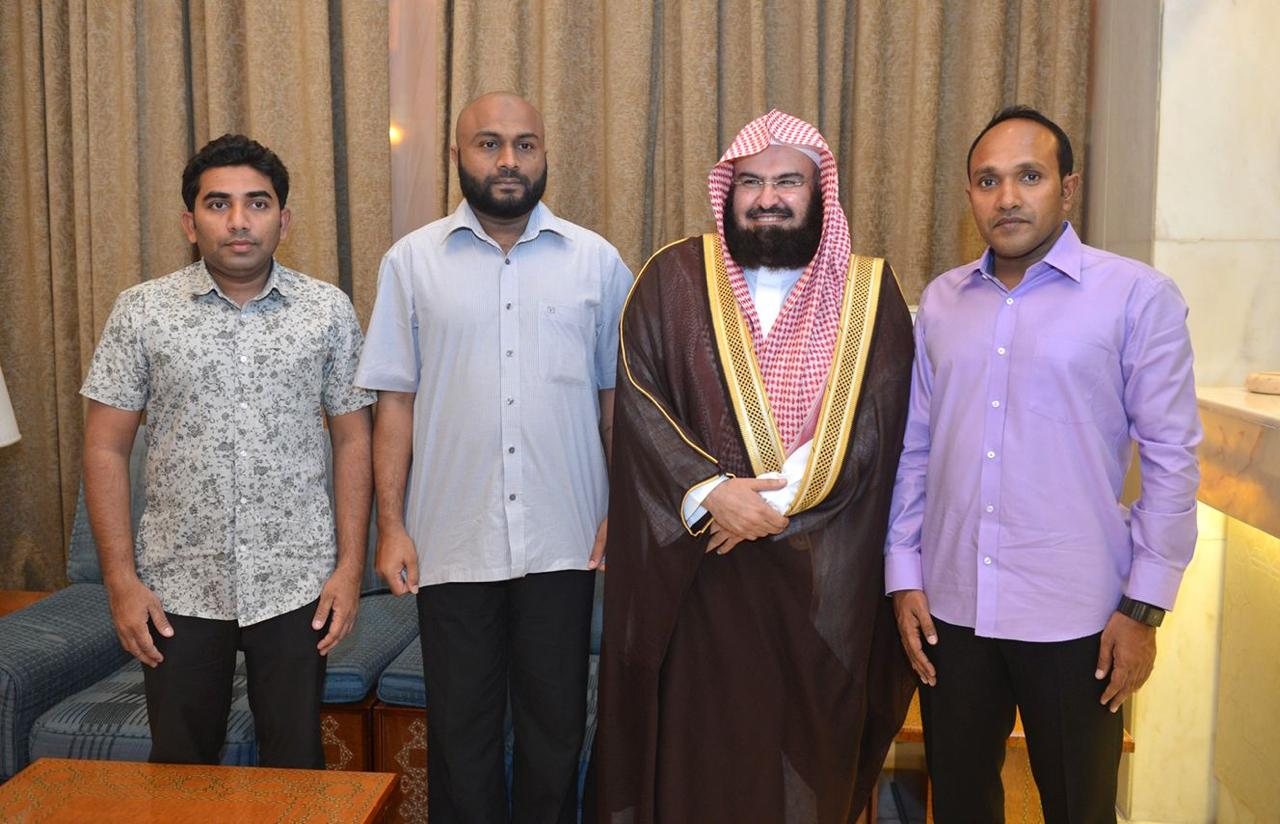
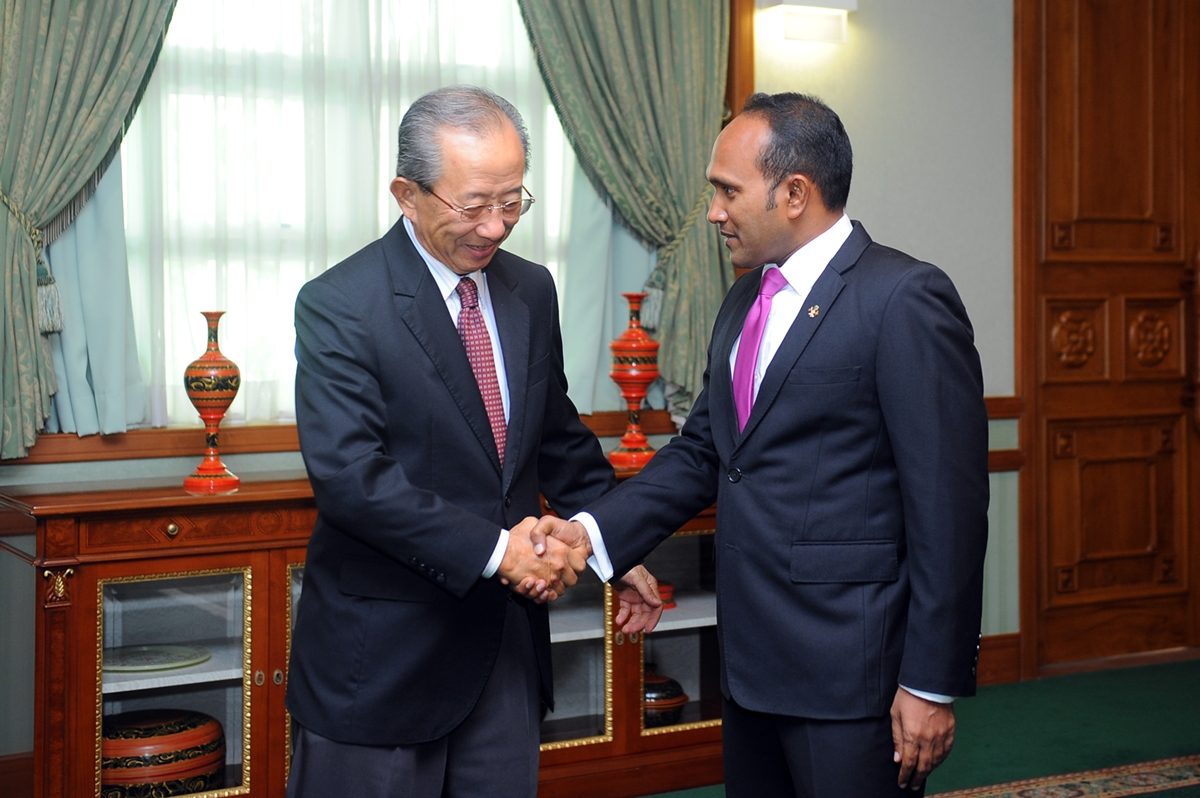
Ninth Vice President of the Republic of Maldives
A judge before he was a minister, and a minister in four consecutive cabinets under three presidents. The record of those offices, the constitutional case he brought after parliament ended the ninth vice presidency, and the Supreme Court's finding in his favour.
Dr Mohamed Jameel Ahmed was born on 13 October 1969 in Fuvahmulah, Maldives. He pursued his legal education at the International Islamic University Malaysia (IIUM), graduating with a Bachelor of Laws in 1996. In 1998, he completed a Master of Comparative Law in Islamic and civil law at the same university, specialising in banking security legislation. He later obtained a PhD in Criminal Law from the School of Oriental and African Studies (SOAS), University of London, supported by a Commonwealth merit scholarship.
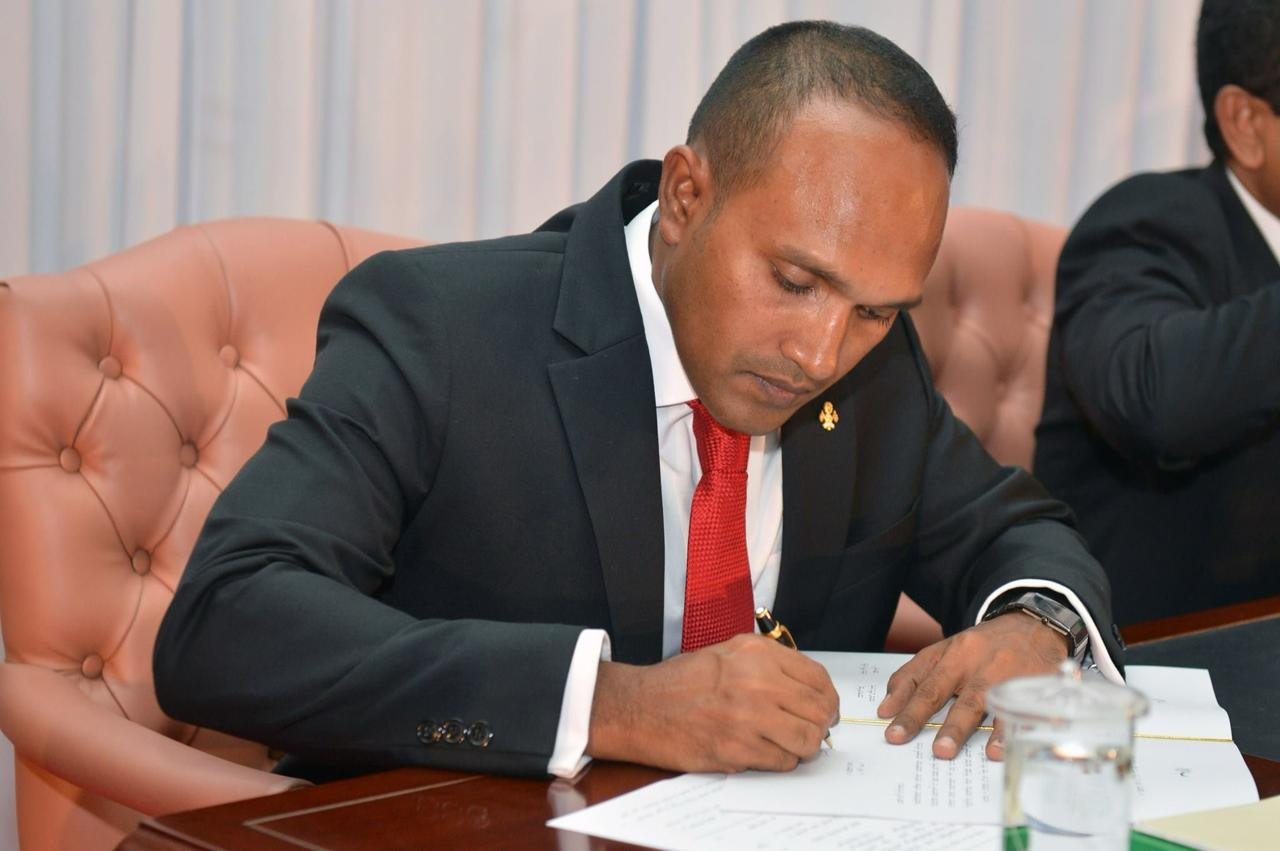
Dr Jameel began his professional career at the Attorney General’s Office, serving as a State Attorney from 20 January 1996 to 19 August 1998. He was subsequently appointed Chief Judge of the Criminal Court on 18 September 2000, serving until 8 February 2005. He then joined the Ministry of Justice as Executive Director before being appointed Minister of Justice on 14 July 2005 under President Maumoon Abdul Gayoom.
During his tenure as Justice Minister, Dr Jameel was associated with the government’s legal and democratic reform programme. In July 2007, he nominated three women for appointment to the judiciary. That month, Aisha Shujoon Mohamed and Huzaifa Mohamed were appointed to the bench, becoming the first women to serve as judges in the Maldives.
Dr Jameel resigned from the government in August 2007 alongside other reform-oriented officials. At the time, he publicly criticised what he regarded as insufficient action against rising religious extremism and obstacles to the country’s reform programme. He subsequently became involved in the New Maldives movement with other former Cabinet members advocating political reform.
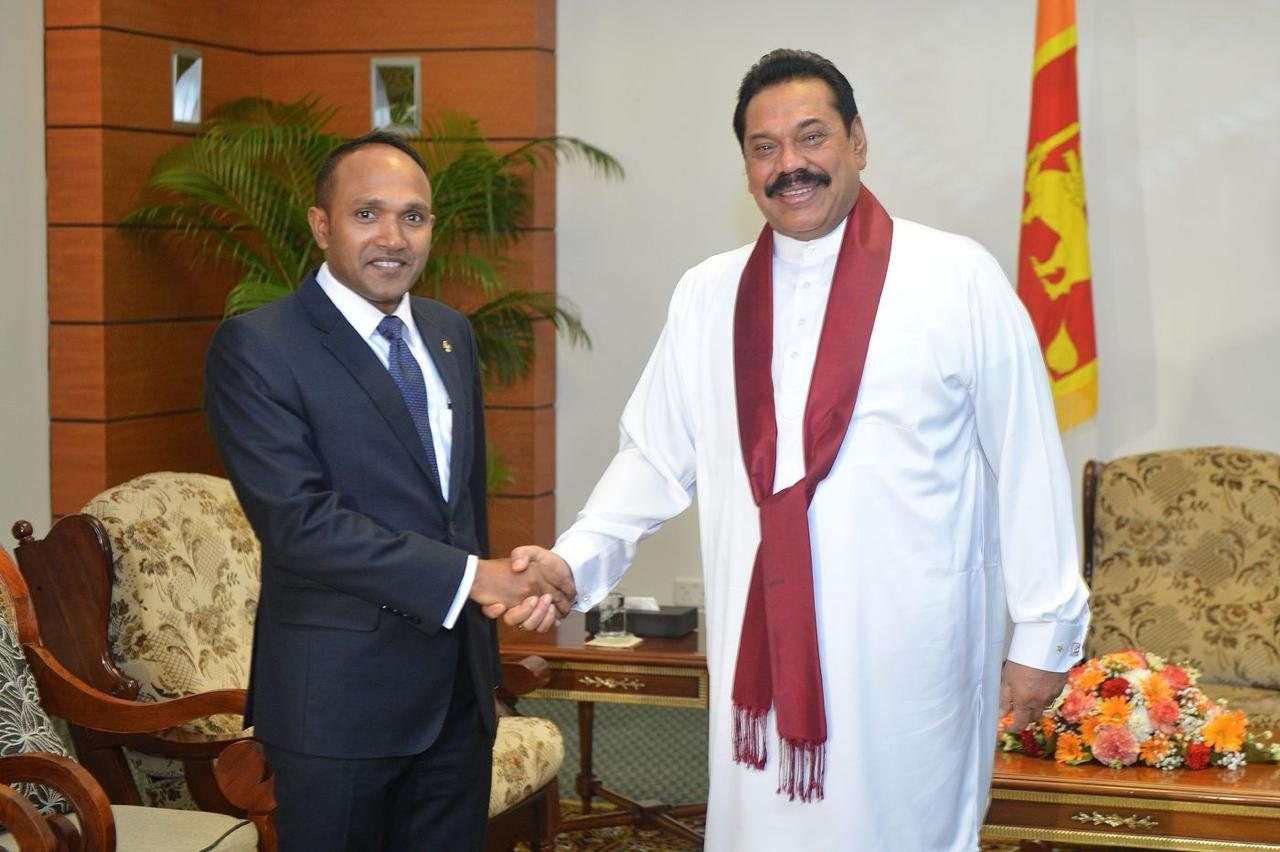
Following the 2008 presidential election, Dr Jameel returned to government as Minister of Civil Aviation and Communication under President Mohamed Nasheed, serving from 12 November 2008 until 30 May 2009. In February 2012, he joined the administration of President Dr Mohamed Waheed Hassan as Minister of Home Affairs, a position he held until 11 May 2013. The President’s Office biography records that these appointments made him the only individual at the time to have served in three successive Cabinets under three different presidents.
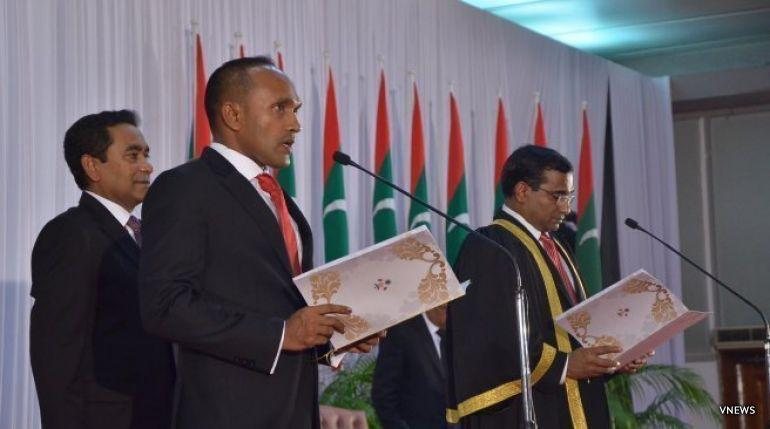
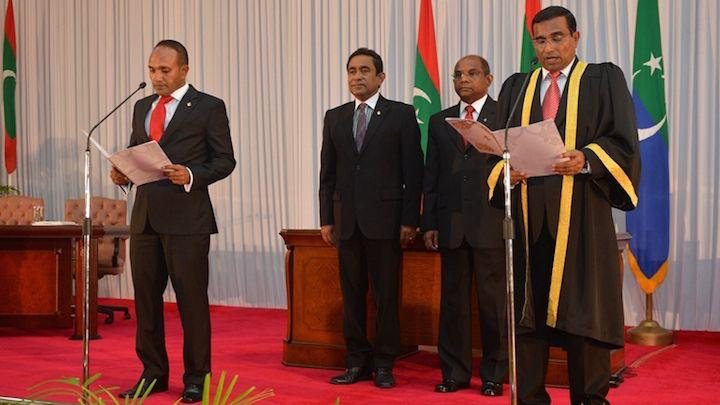
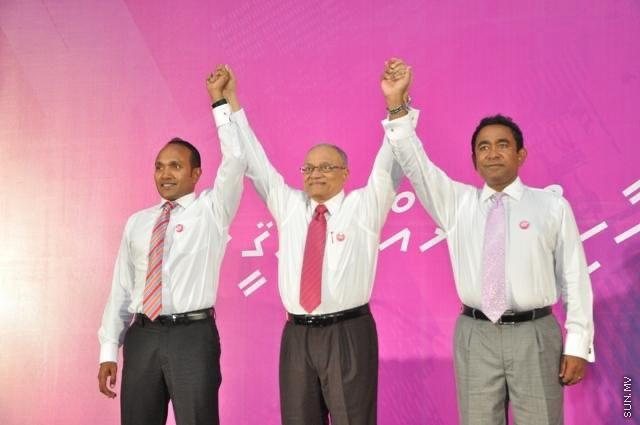
In 2013, Dr Jameel joined the Progressive Party of Maldives and became the running mate of presidential candidate Abdulla Yameen Abdul Gayoom. Following their victory in the presidential election, Dr Jameel was sworn in as Vice President of the Maldives on 17 November 2013. His assumption of the vice presidency meant that he had held senior government office across four successive administrations.
On 21 July 2015, the People’s Majlis passed a no-confidence motion removing Dr Jameel from the vice presidency. His removal followed political disputes within the administration and allegations that he had developed links with opposition figures and was working against President Yameen. Dr Jameel disputed the allegations and later maintained that the impeachment proceedings had violated his constitutional rights, including his right to a proper defence and legal representation.
Dr Jameel subsequently challenged the legality of his removal before the Supreme Court. In August 2021, the Supreme Court held that it did not have original jurisdiction to determine the case and ruled that the matter should first be brought before the Civil Court.
After leaving office, Dr Jameel continued his work as a lawyer and remained active in Maldivian public and political life. In October 2025, he was elected a Vice President of the People’s National Front alongside Zain Abdulla Yameen, with former President Abdulla Yameen elected as the party’s President.
Filter by the kind of appointment. Dates are those recorded by the President's Office and the public record.
He has never accepted the way the vice presidency was ended. The case he has pressed since — that a constitutional office cannot be vacated by a procedure the constitution does not provide for, and that he was allowed neither an answer nor counsel — is set out here in sequence rather than left to be assembled from the chronicle below.
The Progressive Party of Maldives — the party on whose ticket he was elected — files a motion of no confidence in its own Vice President, backed by opposition and independent members.
Parliament impeaches him twenty months into a five-year term. The stated grounds allege an illegal attempt to take over the presidency. He is succeeded by Ahmed Adeeb, who is himself impeached four months later.
He files a constitutional case arguing that parliament, as one branch of three, could not remove him in the way it did; that he was impeached in violation of the procedure the constitution specifies; and that he was allowed neither a chance to respond nor legal representation.
The Supreme Court holds that it does not have original jurisdiction to determine the case, and that the matter should first be brought before the Civil Court. He has continued to press the challenge.
Women nominated to the bench in July 2007 — the first women judges in Maldivian history, named against conservative opposition.
Consecutive cabinets served in, under three different presidents. The President's Office biography records him as the only person at the time to have served in three successive cabinets.
The length of the ninth vice presidency, from the oath on 17 November 2013 to removal on 21 July 2015.
In law and the administration of justice, from appointment as State Attorney in January 1996.
Positions documented in Dr Jameel's own public acts and statements, and in the platform of the People's National Front.
The argument he made in his own case and has made since: that a constitutional office cannot be vacated by a procedure the constitution does not provide for, and that the right to answer a charge and to be represented is not a courtesy that a majority may withdraw.
A career built inside the courts — State Attorney, Chief Judge of the Criminal Court, a doctorate in criminal law — and a consistent position that the strength of the judiciary is what the rest of the constitutional settlement rests on.
In July 2007, as Minister of Justice, he nominated three women to the bench against conservative opposition, admitting women to the Maldivian judiciary for the first time. He has not since resiled from the position.
He resigned the justice portfolio in 2007 over what he described as the government's failure to act on rising Islamic militancy. A bomb injured foreign tourists in Sultan Park the following month.
The platform of the People's National Front, of which he is a vice president: national sovereignty and independence of decision, and opposition to foreign military presence on Maldivian soil.
A recurring theme of his public commentary — that those in office should govern in the knowledge that they will one day be ordinary citizens again, and be remembered by what they did.
Everything on the record since parliament voted, in date order.
The Progressive Party of Maldives — the party on whose ticket he was elected — files a motion of no confidence in its own Vice President, backed by opposition and independent members.
Parliament impeaches him twenty months into a five-year term. The stated grounds allege an illegal attempt to take over the presidency. He is succeeded by Ahmed Adeeb, who is himself impeached four months later.
The national council of the Maldivian Democratic Party votes to ally with the former Vice President to, in its words, establish a constitutional government — a realignment against the administration he was elected to serve in.
In a message of thanks to supporters he sets out his own record in terms of protecting Islam and upholding the rule of law.
Ahmed Adeeb, the Vice President who replaced him and was in turn removed, declares support for the opposition shortly after Dr Jameel formally joins it.
He files a constitutional case arguing that parliament, as one branch of three, could not remove him in the way it did; that he was impeached in violation of the procedure the constitution specifies; and that he was allowed neither a chance to respond nor legal representation.
Five rival opposition groups, his own coalition among them, announce a common front against President Abdulla Yameen.
Meets Jumhooree Party leader Qasim Ibrahim, former MDP chair Ali Waheed and JP deputy leader Ameen Ibrahim in Germany, on the prospect of a national unity government.
The Supreme Court holds that it does not have original jurisdiction to determine the case, and that the matter should first be brought before the Civil Court. He has continued to press the challenge.
Among the eight founders of the party formed after Abdulla Yameen leaves the Progressive Party of Maldives; he takes the office of Vice Chair.
At the PNF national assembly Abdulla Yameen is elected party president unopposed. Dr Jameel serves as a vice president of the party alongside Zain Abdulla Yameen.
Publicly critical of President Dr Mohamed Muizzu, urging him to remember the ordinary life he came from and warning how an administration is remembered once it ends.
Where the work stands, with the date each figure was recorded.
In practice as a lawyer, in constitutional and criminal matters. Instructions are taken through the office; see The Office for how a matter is brought.
One of the party's vice presidents, alongside Zain Abdulla Yameen, under party president Abdulla Yameen. The PNF was founded on 24 November 2023 and held no seats in the People's Majlis as of January 2026.
Regular public criticism of the current administration, principally on questions of constitutional propriety and how office is exercised.
The constitutional challenge to the grounds of the 2015 impeachment. In August 2021 the Supreme Court held that the matter belonged first before the Civil Court.
Meeting requests and messages are logged with a reference number and reviewed in the order they arrive.
Every claim on this site traces to a public source. Search by year, office, institution or keyword; each row opens the record it came from.
Both forms are received by the office and held in the site's own record. You will be given a reference number to quote in any follow-up.